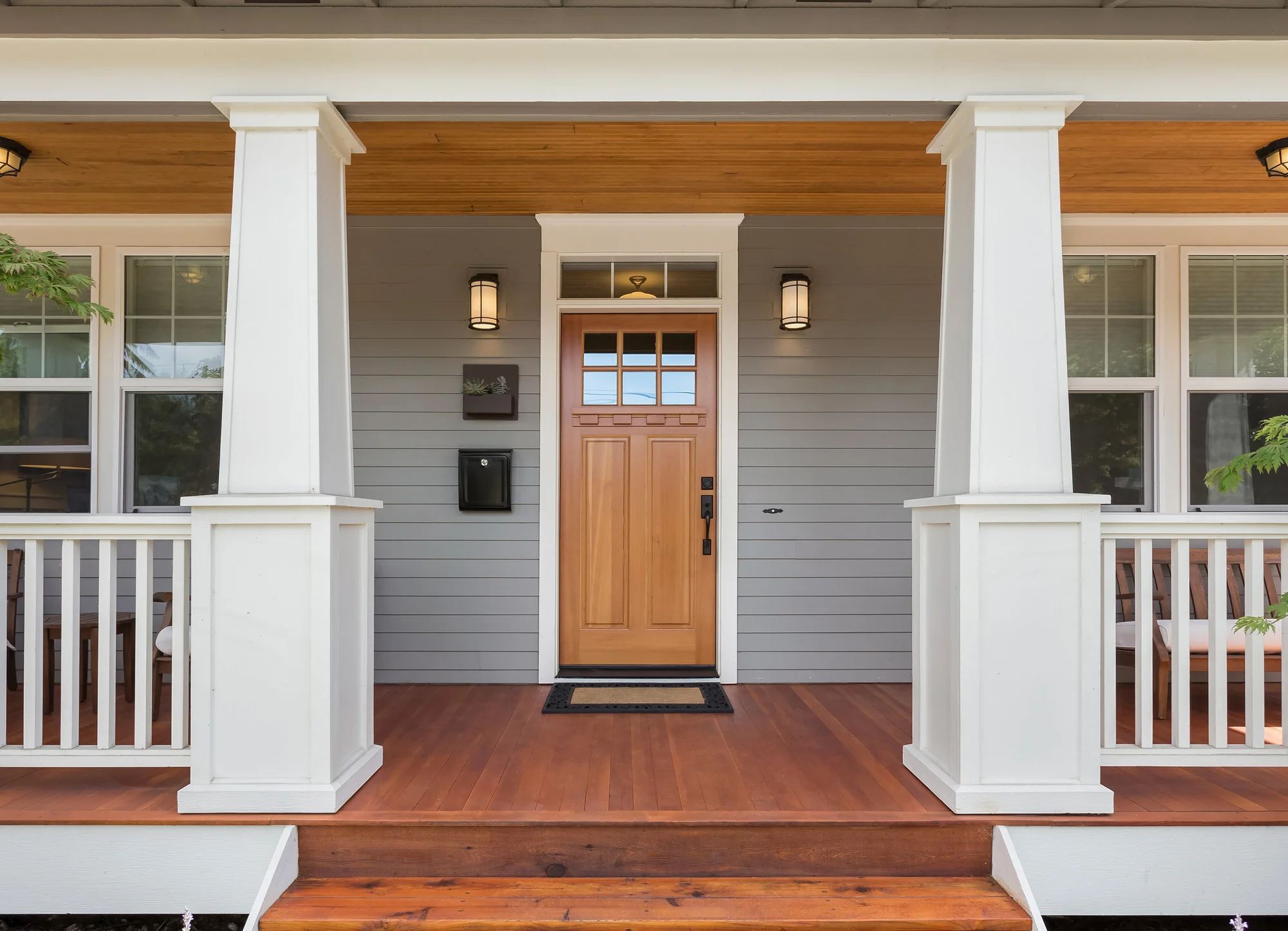
For many homeowners, exterior upgrades are about reducing future headaches. That is why low maintenance siding has become one of the most searched options in home remodeling. The goal is simple: durable siding that looks good without constant upkeep.
Understanding what truly qualifies as low maintenance siding helps avoid materials that promise convenience but deliver ongoing repairs.
Low Maintenance Siding & Why It Matters
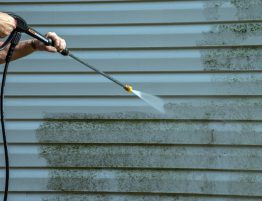
Exterior siding is exposed to weather, sunlight, moisture, and temperature changes year-round. Traditional materials often require scraping, repainting, sealing, or frequent repairs. This is exactly why low maintenance siding has gained popularity.
Choosing low maintenance siding means fewer repairs, lower long-term costs, and less time spent worrying about the exterior of your home.
Low Maintenance Siding Compared to Traditional Materials
When comparing low maintenance siding to wood or older siding options, the difference is clear. Wood siding requires regular painting and is vulnerable to rot, insects, and moisture damage.
Modern low maintenance siding is engineered to resist these issues. It is designed to perform consistently without constant intervention, making it a practical choice for long-term ownership.
Low Maintenance Siding Options Available Today
Several materials are commonly labeled as low maintenance siding, but not all perform equally over time. Vinyl, fiber cement, engineered wood, and metal siding are often included in this category.
True low maintenance siding resists warping, cracking, fading, and moisture absorption. The material choice directly affects how much maintenance will actually be required.
Low Maintenance Siding & Weather Resistance
Weather exposure is a key test for low maintenance siding. Harsh winters, heavy rain, heat, and UV exposure all take a toll on exterior materials.
High-quality low maintenance siding is designed to handle expansion, contraction, and moisture without failing. Poor-quality products may still require repairs, defeating the purpose of choosing low maintenance siding in the first place.
Low Maintenance Siding & Ongoing Costs
One of the biggest advantages of low maintenance siding is cost predictability. While some materials may cost more upfront, they often save money over time.
With low maintenance siding, homeowners typically spend less on repainting, repairs, and replacements. Over the lifespan of the home, these savings can be significant.
Low Maintenance Siding & Appearance Over Time
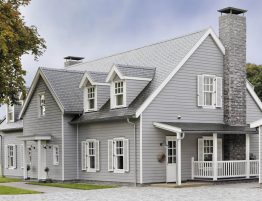
A common concern is whether low maintenance siding holds its appearance. Modern materials are designed to resist fading, chipping, and surface damage.
Unlike older siding that shows wear quickly, low maintenance siding maintains a consistent look for years with minimal cleaning. This is especially important for homeowners focused on curb appeal.
Low Maintenance Siding & Installation Quality
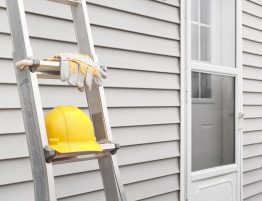
Even the best low maintenance siding can fail if installed incorrectly. Proper flashing, sealing, and fastening are critical.
Many issues blamed on materials are actually installation errors. For low maintenance siding to perform as intended, professional installation is just as important as material selection.
Low Maintenance Siding & Resale Value
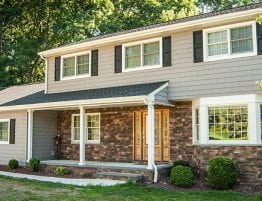
Homes with low maintenance siding often appeal more to buyers. Reduced upkeep is a strong selling point, especially for buyers who want predictable ownership costs.
Choosing low maintenance siding can improve resale confidence by signaling durability, modern materials, and long-term value.
Final Thoughts on Low Maintenance Siding
At its core, low maintenance siding is about long-term reliability, not shortcuts. It reduces ongoing work, minimizes surprise repairs, and protects the structure of the home.
If the goal is durability with minimal upkeep, low maintenance siding is one of the smartest exterior investments a homeowner can make. The right material, installed correctly, delivers years of performance with very little effort.