Many homeowners eventually wonder: how long does aluminum siding last? This question matters because siding is one of the most important exterior investments you’ll make for your home. Aluminum siding has been trusted for decades for its durability, fire resistance, and classic appearance. Still, the actual lifespan depends on factors such as climate, installation quality, and maintenance routine.
How Long Does Aluminum Siding Last on Average
On average, how long does aluminum siding last? Typically between 20 and 40 years. In ideal conditions, moderate weather, correct installation, and regular upkeep, it can even exceed 50 years. However, in areas with extreme sun, coastal salt exposure, or poor maintenance, aluminum siding may show deterioration after 15–20 years.
Why the Lifespan Varies
Several conditions influence how long aluminum siding lasts:
- Climate: Extreme UV exposure fades paint faster. Moist coastal air speeds up corrosion.
- Material Quality: Thicker aluminum panels and better paint coatings significantly increase durability.
- Installation: Proper flashing, insulation, and spacing prevent warping or trapped moisture.
- Maintenance: Regular cleaning and repainting slow oxidation and chalking.
If you ask how long does aluminum siding last when maintained properly, 35–40 years is a realistic target.
Factors That Shorten the Lifespan
Even though aluminum is tough, certain mistakes and conditions reduce how long it lasts.
Poor Maintenance
Skipping cleaning and repainting allows dirt and moisture to degrade paint layers. Once the coating fails, corrosion begins.
Physical Damage
Hail, stones, or heavy impacts cause dents and creases. While small dents are cosmetic, repeated ones weaken structure and make repainting harder.
Moisture Traps
Improper sealing around windows or roofs lets water behind panels, shortening how long aluminum siding lasts.
Cheap Materials
Low-quality aluminum or thin paint coatings can lose color and chalk early, giving an aged appearance within a decade.
Signs It’s Time to Replace Your Aluminum Siding
Knowing how long does aluminum siding last also means recognizing when it’s near the end of its lifespan.
Fading or Chalky Surfaces
A powdery residue on your fingers shows oxidation. It’s harmless at first but signals paint degradation.
Peeling or Bubbling Paint
Peeling paint indicates the protective layer is gone. Once that happens, corrosion spreads faster.
Visible Corrosion
Although aluminum resists rust, corrosion appears in white or gray patches. Left untreated, it can eat through panels.
Loose or Warped Sections
Movement in panels means expansion gaps were not set correctly or the fasteners have failed—both limit how long aluminum siding lasts.
How to Extend the Life of Aluminum Siding
If you want to maximize how long your aluminum siding lasts, follow these guidelines.
Regular Cleaning
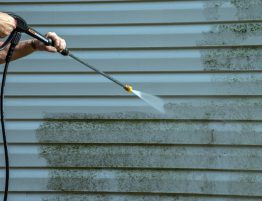
Wash your siding annually with mild detergent and a soft brush or low-pressure washer. Remove dust, mold, and salt residue.
Repainting Every 10–20 Years
Painting restores both looks and protection. Use high-quality exterior paint designed for metal surfaces.
Quick Repairs
Fix dents, cracks, or damaged flashing immediately to stop water infiltration.
Maintain Caulking
Inspect seals around doors, windows, and joints. Reseal any gaps to keep water out.
Consistent upkeep ensures how long aluminum siding lasts will reach the higher end of the 40–50-year range.
Aluminum Siding Compared to Other Materials
To understand how long does aluminum siding last in context, it helps to compare. Vinyl siding usually lasts about 25–35 years but can crack in cold climates. Wood siding averages 20–30 years with constant upkeep and repainting. Fiber cement may last up to 50 years but costs more to install. Brick and stone can last a lifetime but come at a premium price.
Aluminum sits comfortably in the middle ground: durable, moderate in cost, and easy to repaint without needing replacement as often as vinyl.
When Replacement Becomes the Best Option
Even well-maintained siding eventually wears out. If more than 30–40% of panels show corrosion or damage, replacement may be more cost-effective. Also consider replacement if energy efficiency is poor or if moisture damage spreads behind panels.
When evaluating how long does aluminum siding last on an older home, remember that once multiple layers of paint have been applied, adhesion weakens and repainting becomes less effective. That’s often a sign it’s time for a fresh start with modern materials.
Cost vs. Lifespan
The initial cost of aluminum siding is moderate compared to wood or fiber cement. Maintenance costs mainly come from cleaning and repainting every 15–20 years. Factoring in its potential to last over 40 years, aluminum remains a cost-effective solution for long-term homeowners who maintain it properly.
If you track how long aluminum siding lasts over its life cycle, the cost per year of service is often lower than for vinyl or wood, especially when repainting is done at the right intervals.
How long does aluminum siding last?
So, how long does aluminum siding last? In most cases, expect 25 to 40 years of performance. With proper care, washing, repainting, and sealing, it can last half a century or more. Its lifespan depends heavily on quality and attention, but aluminum siding remains one of the most reliable exterior materials available.
If you keep it maintained and address minor issues promptly, you can stretch how long your aluminum siding lasts to the maximum and keep your home protected and looking sharp for decades.